


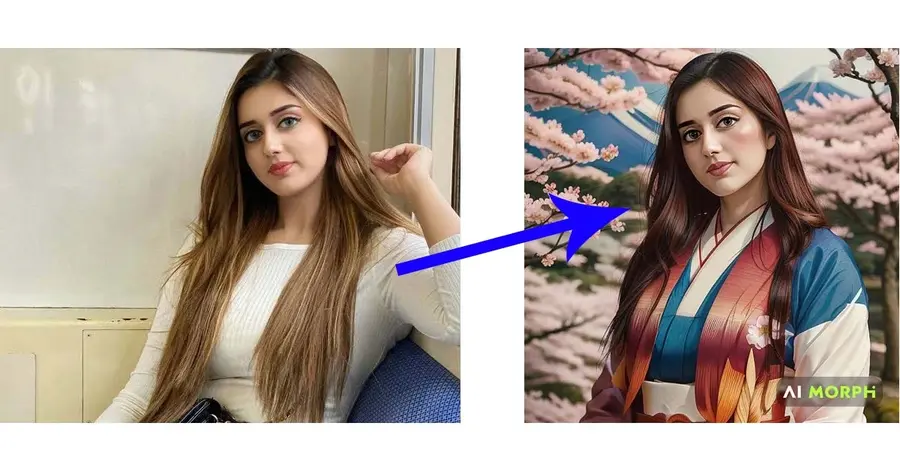

In the age of AI Photo Editors, the pursuit of perfection in photography no longer stops at the click of a shutter. The rise of artificial intelligence has brought about a revolutionary tool for photographers and enthusiasts alike: the AI photo editor. By leveraging technology, these sophisticated programs transcend traditional editing limits.
they are allowing users to transform good photos into great ones with a few clicks. The importance of such tools in achieving stunning visual content AI 4 Photo Editor cannot be overstated, as they open up new possibilities for creativity and efficiency in photo editing.
This article delves into the expanding world of AI photo editors, exploring their key features, their significant impact on photo editing, and the considerations one should consider when choosing the right AI photo editor. Through case studies.
we will showcasetransformations achieved with these powerful tools, providing insight into their capabilities and the transformative effects they hold.
By navigating the essentials of selecting an AI photo editor, readers will be equipped with the knowledge to elevate their photographic work to new heights, ensuring their images stand out in a sea of content.
RELATED ARTICLE: Best photo enhancer online free
The Rise of AI in AI Photo Editor
Historical Background The onset of the digital age drastically transformed photo editing, transitioning from traditional darkrooms to digitalplatforms where software like Photoshop became the new artistic tool [3].
This era marked significant advancements in photo editing capabilities, setting the stage for the integration of artificial intelligence (AI Photo Editor) in enhancing and manipulating images.
Technological Advancements Driving AI
AI has revolutionized photo editing by automating complex tasks and enabling sophisticated editing techniques that were once only accessible to professionals. Companies like Adobe and Topaz Labs have developed.
Best AI Photo Editors in 2026: A Complete Guide
In recent years, artificial intelligence has revolutionized photo editing. What once required hours of precision work can now be achieved in minutes—often with just a click or a simple text prompt.
From professional photographers to social media creators, AI-powered photo editors have become essential tools for anyone looking to enhance, retouch, or transform images
Why AI Photo Editors Matter
Before diving into specific tools, it’s worth understanding what makes AI photo editors so impactful:
- Time-saving automation: AI can instantly remove backgrounds, enhance details, or replace skies without manual masking.
- Enhanced creativity: Generative AI features let users create new content inside photos or expand backgrounds beyond the original frame using simple text instructions.
- Accessibility: From mobile apps to web browsers, many AI editors are easy to use for beginners yet powerful enough for pros.
Whether you’re retouching portraits, refining landscapes, designing marketing visuals, or restoring old photos, there’s an AI editor that fits your needs.
Top AI Photo Editors You Should Consider in 2026
Adobe’s flagship photo editor remains one of the most powerful tools available, now enhanced with Firefly’s AI features. It combines deep manual controls with intelligent editing like Generative Fill, advanced object removal, and AI-powered selection tools.
Pro photographers and creative studios favor Photoshop for its precision, flexibility, and integration with the broader Adobe ecosystem.
Best for: Professional creatives, advanced editors
Pros: Comprehensive feature set, industry standard tools
Cons: Steep learning curve, subscription pricing
2. Skylum Luminar Neo
Luminar Neo is frequently rated as one of the best all-around AI photo editors for photographers who want both power and simplicity.
Its suite of AI tools includes background removal, sky replacement, and scene relighting. Its Adaptive Presets intelligently tune exposure and color based on image composition, making complex edits feel effortless.
Best for: Photographers and enthusiasts
Pros: Strong AI toolset with intuitive workflow
Cons: Desktop-focused with a learning curve for advanced features
3. CyberLink PhotoDirector
PhotoDirector strives to be a versatile editor with a broad set of tools suited for both beginners and intermediate users. Its AI features include sky replacement, noise reduction, and AI-assisted portrait enhancement. It’s often praised for balancing ease of use with robust capabilities.
Best for: Users of any skill level
Pros: Friendly interface, diverse AI effects
Cons: Premium features require subscription
4. Canva (Magic Studio)
Canva has grown from a simple design platform into a robust photo editing environment with its Magic Studio AI tools. These include Magic Edit, Magic Eraser, and background generation features that help even non-designers produce polished visuals quickly—perfect for social media, marketing graphics, and web content.
Best for: Social media creators and casual editors
Pros: Easy to use, built-in templates and assets
Cons: Some AI features limited to paid plans
5. Topaz Photo AI
Topaz Photo AI stands out for intelligent detail enhancement, noise reduction, and automatic sharpening. Its AI autopilot can analyze photos and apply edits that significantly improve clarity and resolution with minimal input.
Best for: Enhancing finer image details
Pros: Excellent noise reduction and detail work
Cons: Heavier on system resources
6. Online & Mobile AI Editors
Beyond desktop software, several browser-based and mobile apps excel in accessibility and quick results:
- MyEdit: A fast online editor with AI-driven tools for content creation and enhancement.
- Pixlr and Fotor: Offer AI filters and automatic adjustments in a browser with no install required.
- YouCam Perfect & Remini (mobile): Great for on-the-go enhancements, repairing old photos or making creative edits.
AI-powered tools that significantlyreduce the time required for editing by automating tasks like exposure adjustment, color correction, and even object removal.
These technological advancements have democratized photo editing, making it accessible to a broader audience and allowing more people to engage creatively with photography.
Impact on Professional and Amateur Editors
AI photo editors have transformed the workflow of both professional and amateur photographers by enabling quick and efficient editing processes. Forprofessionals, this means being able to meet tight deadlines and manage more projects
while amateurs benefit from the ability to produce high-quality edits without extensive technical knowledge. The advent of AI in photo editing tools has not only enhanced the creative possibilities but also sparked discussions on the ethical implications and the future role of AI in photography.
Key Features of Leading AI Photo Editors
AI-Powered Enhancements AI photo editors leverage advanced algorithms to analyze and enhance images automatically. These tools can upscale low-resolution photos, adjust exposure, and even colorize old black-and-white images, providing users with professional-quality results with minimal effort.
Automated Adjustments and Filters
Leading AI photo editors offer features that automatically adjust lighting, contrast, and colors to optimize photo quality.
They can detect the type of photo—be it a portrait or a landscape—and suggest appropriate edits or tools, streamlining the editing process and allowing both amateurs and professionals to achieve superior results.
Object Removal and Background Editing
These editors excel in removing unwanted elements from photos with precision. Whether it’s erasing blemishes, cutting out objects
or replacing backgrounds, AI photo editors handle these tasks effortlessly. They can also isolate subjects, making it easier to focus on the main elements of a photo without distractions.
Case Studies: Transformations Achieved with AI Photo Editors
Before and After Comparisons AI photo editors have dramatically changed the landscape of digital photography by allowing for vivid before and after comparisons. These tools provide users with the ability to see real-time
transformations, enhancing everything from simple color adjustments to complex background changes. For instance, users can witness the transformation of faded or blurry images into sharp, vibrant visuals, showcasing the powerful capabilities of AI in photo editing.
User Success Stories
Many individuals and businesses have leveraged AI photo editors to enhance their digital content. A notable example includes a fitness enthusiast who used these tools to document their transformation journey, effectively using before and after photos to inspire others.
Similarly, professionals in fields like advertising have utilized AI photo editors to refine images for high-stakes campaigns, ensuring every detail aligns with the desired impact of the advertisement.
Professional Uses
In professional settings, AI photo editors are indispensable tools for efficiency and creativity. Graphic designers and photographers, for example, use AI to quickly adjust images, saving hours of manual editing [22].
These tools have also been pivotal in industries like real estate and online retail, where high-quality images directly influence customer engagement and sales.
Considerations When Choosing an AI Photo Editor
Compatibility with Devices When selecting an AI photo editor, it is crucial to ensure that the software integrates seamlessly with existing tools and platforms. For instance, Imagen offers compatibility with Adobe editing software, allowing users to maintain their established workflows without disruptions.
Subscription Models and Pricing
AI photo editors come with various subscription options and pricing structures to cater to different needs. Some platforms like Imagen operate on a pay-as-you-go pricing model, which can be particularly advantageous
for users who prefer flexibility in their usage [AI Photo Editor]. On the other hand, platforms like Luminar Neo and Canva offer monthly subscriptions, providing a range of features at different price points to suit both casual users and professional photographers.
Customer Support and Community
Effective customer support and a vibrant community are invaluable for maximizing the use of an AI photo editor. Imagen, for example
provides live sessions to discuss features and offers a platform for users to connect and share their creative Additionally, having reliable customer support, as seen with companies like Adobe and Imagen, ensures users can get assistance promptly, enhancing the overall user experience.
Conclusion
Throughout this exploration of AI photo editors, we have journeyed through the transformative power these tools wield in the realm of digital photography.
From novice enthusiasts to seasoned professionals, the adoption of AI-driven editors has unlocked unparalleled levels of creativity and efficiency, enabling users to achieve results that were once deemed impossible.
The significance of these advancements cannot be understated, as they redefine the boundaries of photo editing, offering solutions that cater to an array of photographic needs and aspirations.
It is the blend of innovation and accessibility that stands at the core of AI photo editors, making them an indispensable asset in the digital age.
As we look forward, the potential for further integration of AI in photo editing heralds new horizons for creative expression and professional work alike.
Acknowledging the essential considerations—such as device compatibility, subscription models, and community support.
remains crucial for individuals seeking to harness the full spectrum of benefits offered by these tools. The insights and examples discussed underscore the pivotal role that AI photo editors play in not just enhancing images but also in shaping the future of digital photography. Embracing these technolo